No Google, no problem: Pharma partners with China’s tech giants

China has about 731 million internet users but tech giants such Google, Facebook, and Twitter have little relevance in the country, where their platforms are banned.

MM&M – In the absence of behemoths such as Facebook and Twitter, pharma is partnering with China’s tech giants to snare a slice of a more than $100 billion market.

HONG KONG and NEW YORK — China is not exactly uncharted terrain for pharma. The country’s pharmaceutical market is the second largest in the world, trailing only the U.S., and is forecast to grow from $108 billion in sales in 2015 to $167 billion by 2020.

That said, pharma and healthcare marketers see a wealth of untapped opportunity. China has about 731 million internet users, comparable to Europe’s total population of 742.3 million, and 95% of them (695 million) have mobile devices. Yet tech giants such Google, Facebook, and Twitter have little relevance in the country, where their platforms are banned.

As a result, pharma companies have sought to partner with the country’s homegrown alternatives, including Alibaba, Tencent, and Weibo, to reach Chinese consumers. Better still, for pharma companies not yet established in the market, the opportunities outweigh the challenges, according to Li Ma, VP of Alibaba Health, the health division of Chinese e-commerce giant Alibaba. Sure, there are China-specific challenges — in market access, distribution, pricing, and reimbursement, which aren’t exactly slam dunks elsewhere — but the market’s size overrides most concerns: about 1.4 billion people and growing.

There’s also acute need. Rising income levels, changes in diets and lifestyles, and the impact of air and water pollution have contributed to an increase in chronic conditions such as diabetes, heart disease, and cancer.

According to the World Health Organization, chronic conditions account for 85% of about 10.3 million deaths per year, and constitute 70% of the total burden of disease in the country. More than 2.8 million people in China died of cancer in 2015, with lung cancer claiming the most lives.

Moreover, there are a variety of ways to approach the market, says Mark Natkin, founder and managing director of Beijing-based Marbridge Consulting. “Increasingly, we’ve seen pharma companies allying with big tech companies to introduce information, or some sort of free equipment or medical devices, to introduce their brand and product.”

In 2016, Sanofi and Alibaba signed an agreement to partner on online and offline health services, disease management, and patient education, with the two companies planning to devise a detailed plan by the end of 2017. The focus would be on delivering programs for the management of chronic diseases, Jean-Christophe Pointeau, GM of pharma at Sanofi China, said at the time.

In February 2017, Eli Lilly collaborated with physician social network Ding Xiang Yuan and Tencent, known for mobile messenger WeChat, on a diabetes-management program. The program provides patients with blood-glucose testing devices, educational tools, and patient-care services, with doctors able to access data collected from the devices in real-time. Meanwhile, Bayer, Novartis, and Pfizer have set up corporate pages on the Twitter-like platform Weibo.

Ma says Alibaba’s venture into health is part of its “double H” (health and happiness) strategy. “Alibaba believes that what China needs most in the next 10 to 20 years is health and happiness,” she explains. “Ali Health hopes to improve healthcare outcomes and transform public health-management capabilities through our strengths in internet technology, big data, and innovation.”

Alibaba, which has about 500 million active users on its platforms, launched Ali Health in 2014. The unit’s main areas of focus are online healthcare services, health management, product traceability (ensuring safe drug production, circulation, and use), and pharma e-commerce.

By all accounts it has been an immediate success: Ali Health reported a 739% increase in year-over-year revenue in the 12 months ending March 31, from 56.6 million yuan ($8.5 million) in 2016 to 475.1 million yuan ($71.7 million) in 2017, driven by its over-the-counter e-commerce business. The company has partnerships with more than 200 pharmacy chains, covering more than 20,000 drugstores in more than 100 cities.
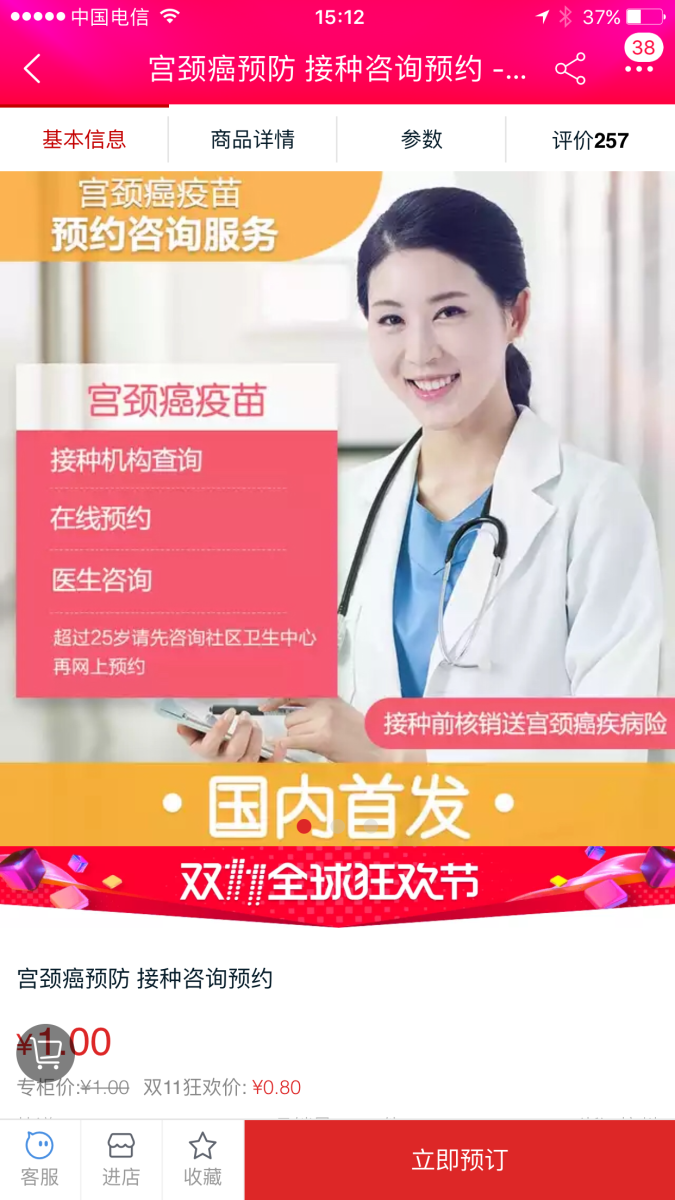
 

 Alibaba and GSK China have partnered to launch an unbranded adult vaccination service system through Taobao, China's version of Amazon
Alibaba and GSK China have partnered to launch an unbranded adult vaccination service system through Taobao, China’s version of Amazon.

GSK DIVES IN

In August 2017, GlaxoSmithKline China and Alibaba announced a partnership to launch an unbranded adult vaccination service system through the Alibaba-owned online shopping app Taobao, China’s version of Amazon. It is GSK’s first collaboration with a big tech company in China.

“It started with a conversation around how we could partner and leverage GSK’s wealth of information around a disease. In this case, it was related to cervical cancer prevention,” explains Leslie Chang, VP and GM of vaccines at GSK China.

The drugmaker’s Cervarix became the first HPV vaccine approved by the China Food and Drug Administration (CFDA) in 2016 and launched in July 2017. It arrived at a time of need: According to the HPV Information Centre, cervical cancer is the eighth most common cancer among women in China and the second most common cancer among women aged between 15 and 44. Yet a 2010 study by the National Center for Biotechnology Information found that only 21% of about 52,000 Chinese women was screened for cervical cancer via a pap test.

“Alibaba has the big data that can direct traffic, especially if we’re looking at a younger cohort of women who would benefit from the vaccine and are social media savvy,” Chang explains. “At the same time, we’re leveraging GSK’s disease-awareness knowledge and [targeting] patients — in this case, healthy women — who want to get vaccinated at the right venues in China.”

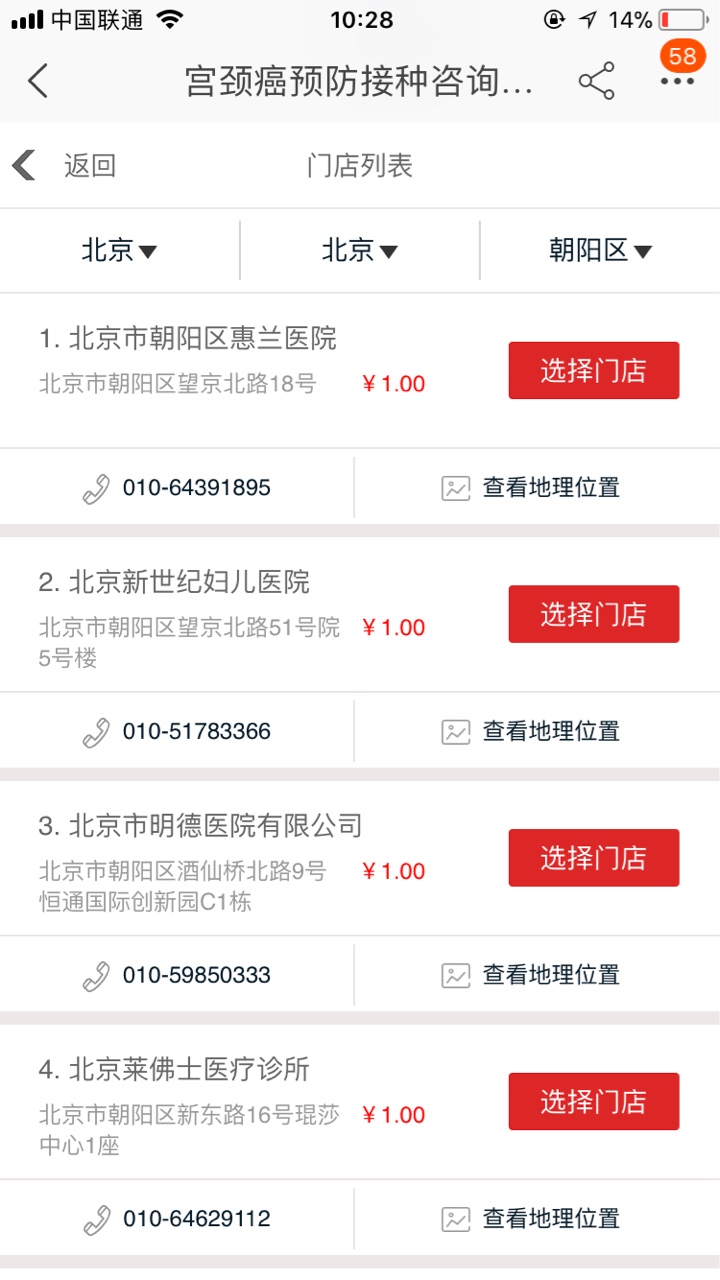
Users can access the system through the app’s My Health section, where they can access vaccine information, consult with registered HCPs and bots, locate nearby healthcare centers that offer vaccinations, and book in-person consultations. The system aims to help health centers better manage their workload by assisting them in scheduling appointments and thus reducing the volume of walk-ins.

Currently, the service is available at about 500 healthcare centers in more than 20 provinces in the country. About 10,000 women have booked appointments through the system in the two months since launch, Chang reports. GSK and Alibaba aim to make the service available in 1,500 centers across more than 100 cities, including Beijing, Shanghai, and Guangzhou, by early 2018.

Hundreds of people wait in line at a Chinese hospital (left), while a healthcare worker helps a woman access the vaccination service’s app at a healthcare center (right). Photo credits: Leslie Chang, GSK


COMPANY SEES ‘PROMISING SIGNS’

While Chang notes “it’s probably too early” to assess the effectiveness of the system, he says the company has already seen “promising signs” that visitors are arriving at the portal from various Ali platforms. “We now need to move them through to make sure that when they hit the ground, the POV [point of vaccination] is linked up and there is supply,” he adds, noting individual patient data is kept private.

The ability of GSK and Alibaba to hit that 1,500-center target hinges on price approval of Cervarix in each province. In China, drugmakers need to negotiate with provincial authorities to register the price of their vaccine or medication in those pro-vinces. Through late October, GSK had resolved bidding in about 20 out of 31 provinces, Chang says.

“Once you get listed [in a province], you get the POV to sign up with Ali Health. Getting CFDA approval is not the end of the road. That’s only the start of it. It’s a trick and a half,” he explains.

The challenges don’t stop there. Glenn Hou, founding partner of China Insights Consultancy, says the regulatory environment in China makes it difficult for drugmakers to enter the market.

Search engine giant Baidu learned this the hard way in 2016. After a paid medical listing scandal that year — a cancer patient reportedly died after taking an alternative treatment recommended in a paid listing on the search engine — Baidu shut down its mobile health unit to refocus on AI-powered healthcare innovations, such as healthbots. The incident led Chinese regulators to tighten control over online advertising, including a demand that Baidu limit marketing information to no more than 30% of the space on each web page.

Hou is skeptical about the effectiveness of pharma/tech partnerships in the country. “It’s a strategy around financial performance, not a corporate-development strategy,” he explains. “[Tech giants] have so much money, they just invest in 10 companies and wait to see which one will succeed.”

However, Hou does see potential in the treatment of chronic disease, rare disease, and cancer. In those areas, he believes that partnerships can help patients manage their daily lives and access educational resources.

Natkin agrees, adding, “To the extent that a pharma manufacturer can establish a relationship with not just doctors but also with patients and patients’ families, and establish some trust and ongoing relationships, that will help the manufacturer penetrate the market much more deeply.”


How healthbots can assist patients and HCPs

A year after healthbot Gyant launched, it has reached 800,000 users, according to Stefan Behrens, co-founder of Gyant.

MM&M – As HCPs continue to be stretched for time to diagnose and interact with patients, health bots could help reduce HCP workload and drive patient engagement.

“Remember to put ice on that bruise tonight,” says healthbot Gyant via Facebook Messenger. Gyant adds that Chris, the user engaging with the bot, could try playing Vanilla Ice’s “Ice Ice, Baby” to speed up the healing process.

The dialogue is conversational. Over the course of three to four minutes, Gyant asks around 20 questions to get at the cause of the user’s discomfort and offer possible diagnoses or recommendations. Users can also ask Gyant questions via Amazon’s Alexa.

“We’ve noticed the number of questions doesn’t matter as much as how you ask them and how you respond to people’s answers,” said Stefan Behrens, co-founder of Gyant. “If you ask question after question, it’s like filling [out] a form. We make sure our questions are asked in the nicest way possible, as human as possible.”

Since Gyant launched in 2016, it has reached 1.3 million users to date, Behrens claimed. Since Gyant originated as a resource to screen patients for Zika, much of its traffic comes from Latin American countries such as Brazil, Mexico, and Colombia. The company is also generating traction in the southern parts of the U.S., Behrens added. Gyant is currently available in English, Spanish, Portuguese, and German, and there are plans to expand in French, Chinese, Arabic, and Hindi.

Florence, Health Tap, Buoy Health, and Your.MD are among the other healthbots currently offering medication reminders, symptom checkers, health tips,doctor referrals, and other services.

“As doctors are more stretched for time, there’s a lot of frustration in the healthcare system,” said Paul Balagot, chief experience officer at Precisioneffect. “I think the appetite to use [bots] as a support tool is high.”

A new report by the Association of American Medical Colleges predicts that the shortfall of doctors will approach 90,000 by 2025. That number could reach nearly 105,000 by 2030.

According to Balagot, healthbots can potentially reduce the workload of healthcare professionals while providing an engaging experience to patients. They can help focus the patient-doctor conversation by checking initial symptoms and tracking patient history, then provide post-treatment support after the initial interaction.

For conditions such as diabetes, physicians may be able to help patients combat the overt symptoms. Still, they sometimes are unable to follow up with patients who need to make changes to their diets and exercise regimens. Behrens believes healthbots can provide the necessary support.

In addition, healthbots may ultimately help reduce the volume of unnecessary doctor visits. “If you look at primary care physicians, many of them will tell you that they can’t help 40% of the patients they see every week, because [the patient has] a viral infection, for example,” said Behrens. “So it’s, ‘Go home, get some rest, and take some ibuprofen,’ but you can’t do much about the source of the condition.”

In some cases, especially those where there is a stigma tied to a condition, chatbots have become a preferred means of securing healthcare advice. Behrens said many users ask Gyant mental and sexual health-related questions, which sometimes trigger feelings of shame and anxiety.

“A lot of the users are relatively younger — around 16 to 25 — and come from developing countries, where there is a lot of social stigma around marriage and social norms,” Behrens continued. “We see a lot of questions around, ‘I did this. Could I be pregnant?’ or ‘I have this rash.’”

Dawn Lacallade, chief social strategist and healthcare practice lead at social customer experience firm LiveWorld, senses a similar trend among clients like Anthem, Johnson & Johnson, and Boehringer Ingelheim. While she declined to offer program specifics, Lacallade said LiveWorld has helped one client develop a bot to collect data about sexual health in adolescents, with the ultimate aim of offering STD education.

“There’s often an intimidation factor when you’re talking to an HCP,” Lacallade explained. “A bot is a great tool to recap a conversation with an HCP, putting it in language to make it more understandable.”

As bot technology gets more sophisticated and chatbots secure HIPAA compliance, healthbots will start to realize their full potential.

“The first generation of chatbots was a bit robotic and didn’t have the advancements of natural language, sentiment, and emotion,” said Balagot. “With AI technology advancing, the chatbots are becoming increasingly empathetic and natural, and more engaging.”

It’s hard to be HIPAA-compliant when paired with social media platforms like Facebook, however,  which is why Gyant  is developing an app of its own. “We’re taking the same technology and chat experience, and putting it in an app or secure website. That will allow us to seamlessly move the conversation to an actual human provider, be it a doctor or administrator,” Behrens noted. “Ideally, we want to [help] people get prescriptions or [sign up for] a telemedicine visit.”


Ironwood strengthens leadership with two new hires

MM&M – The drugmaker named William Huyett as COO and Gina Consylman as SVP and CFO.

Ironwood Pharmaceuticals appointed William Huyett as chief operating officer and promoted Gina Consylman to SVP and chief financial officer.

As COO, Huyett will lead a range of functions, including finance, corporate strategy, development, communications, global operations, and investor relations. He was most recently senior partner emeritus at McKinsey and Company, where he worked with clients in the life sciences, industrial, and technology sectors for 30 years.

“Ironwood is poised for growth, thanks to strong commercial performance and an innovative, value-driven R&D approach,” said Huyett. “I’m excited to contribute toward sustaining and enhancing its trajectory.”

Consylman, who joined Ironwood in 2014, is responsible for finance, planning, accounting, tax, treasury, and insurance functions. She previously held executive roles at Biogen and Analogic Corp.

“I’ve been fortunate to be a part of Ironwood’s growth over the past three years, and look forward to continuing to partner with our leadership team in this new role to support our financial and long-term strategic objectives,” said Consylman.

“Strengthening our leadership team with these key appointments is critical for Ironwood as we seek to execute on our strategy to deliver rapid top-line growth and advance our innovative mid- to late-stage product candidates,” said Ironwood CEO Peter Hecht in a news release.

Ironwood’s products include gout drug Duzallo and Linzess for the treatment of irritable bowel syndrome.


Lighthouse wins grand prize for voice-activated diabetes app at Hitlab

Lighthouse received $50,000 for its voice-activated application, designed to  provide more accessible and engaging care for diabetes patients.

MM&M – Lighthouse received $50,000 for application aimed at providing more accessible and engaging care for those living with diabetes.

The 2017 Hitlab Innovators Summit named Lighthouse as the winner of its World Cup Challenge, which focused on using voice-activated technology to improve healthcare access, delivery, and outcomes. Lighthouse received $50,000 for its voice-activated application, designed to provide more accessible and engaging care for diabetes patients.

“Lighthouse really honed in on an important gap — how can we expand patient support between appointments?” said Amy West, Novo Nordisk’s senior director of patient marketing and digital health innovation, and a judge of the challenge. “The ability to address this issue, coupled with Lighthouse’s seamless integration into the lives of patients, are the core reasons why it was selected as this year’s grand prize winner.”

“Lighthouse helps patients close that gap, build great habits, and support their broader care team in delivering the best care,” said Lighthouse CEO Dave Vockell.

Hitlab received 146 applications from 15 countries this year. Finalists made their pitches to a panel of judges at the three-day event held in New York City.

Judges evaluated their pitches according to the following criteria: impact, innovation, sustainability, and feasibility. Finalists included cloud-based app My Diabetes Coach, developed by Macadamian; virtual nutrition assistant T2D2; nutrition-tracking smart placemat Palette; and Proof, which supports patient/provider relationships.

Novo Nordisk, which sponsored the Innovators Summit, has yet to determine whether it will partner with any of finalists, said West. “Novo Nordisk will continue its foray into digital health by exploring many different opportunities that align with our business strategy.”

The company does, however, expect to embrace voice technology, according to David Moore, Novo’s commercial SVP. “We think about the fact that everyone will have a smartphone in the not-too-distant future. It’s a disruptive technology,” he said.

In January, Novo Nordisk announced a partnership with diabetes data management platform Glooko. In July, the companies launched Novo Nordisk’s Cornerstones4Care mobile app, which combines Novo Nordisk’s patient support with Glooko’s data analytics expertise. The drugmaker received FDA-approval for once-weekly injection Ozempic Tuesday, and markets diabetes drugs Victoza and Tresiba.

“For us, it’s just the start,” said Moore. “That’s why we’re here — to be very open and inquisitive to opportunities that may exist for us to collaborate, integrate further in connecting with consumers where they are in their journey, and realizing these are individuals carrying on daily activities with their disease, and to provide them better tools and resources.”

Diabetes is a condition which could greatly benefit from more pharma/tech collaboration, Moore added. “If you’re an employer, you’re looking for more productivity. If you’re a patient, you’re looking for more information and more personalized care. This integration in a digital platform around diabetes has the potential for a large impact.”


How working with Apple inspired Jeff Tangney to found Doximity

MM&M – The CEO’s experience launching medical reference app Epocrates led him to found a social network for physicians.

Jeff Tangney is founder and CEO of Doximity, a physician’s social network with more than 800,000 licensed medical professionals as members. The platform is available on mobile app (iOS and Android) and web.

How did you get into the industry?

In my Stanford dorm room, in the late ’90s. I had two physician roommates and together we built Epocrates, a PalmPilot app for checking drug doses and interactions. They wrote the Latin drug doses, and I wrote the database. The app was a hit and we were tapped by Steve Jobs directly to be one of the first five apps on iOS and presented onstage at the App store launch. We went public in 2011.

I left shortly thereafter to found Doximity with Nate Gross and Shari Buck. It became clear to us at the time that the technology behind popular social media platforms could also help address some of the major challenges that physicians experience in their day-to-day work, such as communication with their peers.

Fast forward to today and Doximity is one of the largest medical social networks for healthcare professionals in the U.S., with over 70% of doctors as members.

What is the best part of your job?

I’m inspired every time I hear a story from a physician about how we helped them with a patient case, or in some way, helped them provide better care. That’s what gets us up in the morning. We call these “DocLuv” stories internally and share a couple with our team each week.

It’s also incredibly gratifying to see a new feature or product take off with the membership. Our latest Doximity Dialer app lets doctors use their personal cellphones for patient calls, and has been a huge hit this year. And DocNews, our healthcare newsfeed, just keeps getting more popular.

Watching all the hard work put in by our engineering and product teams come together and result in a great product is an amazing thing.

What is your greatest professional challenge?

When I founded my first company, there wasn’t such a thing as an app store. No one had done this before, so navigating typical product challenges was much more taxing. There was just no playbook.

Our true north back then, and now at Doximity, was always putting the physician first and never losing sight of their needs. In the healthcare world, a lot of technology products are foisted upon physicians – billing systems, legal checklists and such. Often, they’re designed for CIOs. At Doximity, we design and build for the clinicians’ needs first and foremost.

In fact, many of our products are inspired by our members – they tell us what they need and we build it.

What is the best career advice you’ve received?

“Enjoy the journey.” This is conventional wisdom of course, but still very true.

My own twist on this is to make sure to celebrate the milestones along the way. Those little celebrations are what’s going to keep you and your team motivated. At Doximity, we do quarterly offsites by team. We get away for a day and celebrate our successes (and reflect on our non-successes). It helps to step back and appreciate the journey.

What are some health gadgets or apps you’re currently using?

I like my Kindle. I read a lot and it makes it easy to catch up wherever I’m at. And Doximity, of course! Sounds like a shameless plug, but it’s important for me to stay on top of the latest medical news.

This Q&A has been updated.


What does Twitter’s 280 characters mean for pharma?

Photo credit: @GSKUS

MM&M – Marketers survey the pluses and minuses of the platform’s new 280-character limit.

Look up the hashtag #twitter280, and you will see that Twitter’s new character limit from 140 to 280 characters has its enthusiasts and critics, to put it mildly. Italian football club AS Roma exclaimed that it could finally list all the seasons Francesco Totti played for their club, while Indy car driver Spencer Pigot commented that the change makes him feel like he’s reading a novel on the platform. Others said that they’d prefer an “edit” function more than anything else.

Pharma was similarly split on the pros and cons. GSK, for its part, tweeted, “Some of us here at #GSK are excited about #twitter280. Others? Not so much. (Fingers crossed for an edit option in the future…).”

Potential benefits include better organization and classification through the use of more hashtags, extra real estate for fair balance, and the ability to provide more personable customer service.

“People expect an answer within 30 minutes and pharma often is not there, and they can only offer short answers,” said Ryan Billings, senior director of digital innovation at Amag Pharmaceuticals.

Added Andrew Grojean, social media manager at Intouch Solutions, “Increased characters allows pharma more freedom to use the platform and remain compliant, while allowing for a better user experience.”

Branded handles such as @GILENYAGoUSOnly,  @COSENTYXUSOnly, and @ELOCTATE offer customer service via Twitter, but longer conversations are often moved to their call centers, noted Mary Ann Belliveau, Twitter’s national health and wellness director.

Amag currently does not have a corporate handle on Twitter, but is present on the platform via CEO William Heiden’s Twitter account, its subsidiary Cord Blood Registry, and the utilization of “Ads Without Profiles,” which allows companies to reach their Twitter audiences without managing a Twitter page. Thus to Billings, what’s most essential is having the right infrastructure in place, especially community-management processes and monitoring guidelines.

The drugmaker, which has transitioned from being HCP-facing to more consumer-facing through its acquisition of retail products in women’s therapy, is evaluating the right channels to reach post-menopausal women and expectant mothers – both highly active audiences on digital platforms. Still, as Billings noted, these audiences tend to be more active on Facebook, Instagram, and Pinterest.

“From an HCP perspective, there’s so much potential there,” he explained. “A lot of our speakers and KOLs that we engage with have active Twitter presences. But while the physicians are there, the industry has been reluctant to utilize them as thought leaders on the platform.” That, he added, has more to do with getting clear and regular guidance from the FDA, which has proven a challenge.

Belliveau added that drugmakers remain most likely to incorporate video, images, and website cards in their Twitter dispatches.“Customers are not really promoting text tweets per se, so the additional characters won’t really have much of an impact as far as I can tell,” she said.

Twitter still might not be an ideal platform for many pharma brands, but the additional characters should allow users to include more information (such as fair balance and sponsor information) and provide more customer service.

“This is exciting for the industry, but I’m kind of worried about Twitter because what makes it different is the brevity, the quick back-and-forth,” Billings said. “Is Twitter going to become more of a Tumblr medium? Is this going to inhibit conversation, because there’s less reason for someone to ask a follow-up question? I’m interested in how it will help in terms of engagement.”


Omnicom promotes Biolumina and H&S presidents to CEO

Omnicom Health Group appointed Kirsten Kantak (left) and Mario Muredda (right) as the new CEOs of Biolumina and Harrison and Star, respectively.

MM&M – Ty Curran, previously CEO of the sister agencies, will serve as chairman in 2018.

Omnicom Health Group promoted the presidents of Biolumina and Harrison and Star to CEO, with Ty Curran becoming chairman of the two agencies.

Effective in January 2018, Biolumina’s Kirsten Kantak and Harrison and Star’s Mario Muredda will report to OHG CEO Ed Wise. The moves come as the two agencies become independent of each other and further integrated within OHG.

“We’re no longer under Harrison and Star; we’re a standalone agency,” Kantak said. “We’ve been working that way for some time and it essentially becomes official January 1.”

The organizational change allows the agencies to better take advantage of the OHG infrastructure than a formal restructuring would, Muredda added.

Kantak joined Omnicom in 2003 as SVP and managing director of Harrison and Star, and has led Biolumina as president since 2015. In her new role, she will attempt to grow Biolumina’s expertise in oncology by leveraging the OHG talent pool.

“This is about the individuals that work here, as well as the best-in-class expertise that OHG can bring to clients — whether it’s media planning or technology and innovation,” Kantak said. “OHG offers clients a deep bench. We’ll tap into it more fluidly to solve their brand challenges.”

Muredda joined Omnicom in 2009 as VP and associate director of business development at Cline Davis & Mann, and has held senior roles at sibling agencies AgencyRX and Harrison and Star. He became president of Harrison and Star in 2015.

In 2018, Harrison and Star hopes to expand its expertise in oncology, hematology, virology, and neurology while building out other areas. Muredda said to expect the agency to pursue growth in “everything from rheumatology and rare diseases to channel expertise — experiential personal platforms, data- and intelligence-driven non-personal platforms — and marketing expertise.”

The appointments are part of a succession plan that Curran put in place as he nears retirement, said Muredda. Beginning in January, Curran will report to Dale Adams, chairman and CEO of the DAS Group of Companies, a division of Omnicom Group.

Biolumina and Harrison and Star are based in New York. Biolumina’s clients include Novartis, Genentech, and Agios Pharmaceuticals, while Harrison and Star’s client roster includes Gilead Sciences, Merck, and Teva Pharmaceutical Industries.


StoneArch hires Marcia Miller as new president

MM&M – Optum vet Miller replaces Jessica Boden.

StoneArch has appointed former Optum executive Marcia Miller as its new president. Miller was most recently SVP of corporate marketing and brand at Optum, a technology-based health services company under the UnitedHealth Group. She replaces Jessica Boden, who has taken a position in her home state of California, according to the agency.

In her new role, Miller oversees about 45 staff in the agency’s Minneapolis office. She reports to StoneArch’s board, which include CEO Jerrold Gershone and founder and chair Judy Kessel.

“Marcia has a great balance of proven leadership in the healthcare space and an exciting vision about where the agency can go,” said Gershone, in a news release. “Bringing her on will deepen our commitment to remaining a highly focused, niche agency in a space that’s always evolving.”

Miller said she accepted the job for two reasons: To return to the agency side of the business (and work with a range of clients) and to join a team that is passionate about healthcare and articulating its complexities to target audiences.

“Not only does the agency have ability to bring a brand to market, but it’s also able to do that through video, white papers, brochures, and other more innovative distribution of content,” Miller said.

Miller said she hopes to broaden StoneArch’s range of service offerings and client base in the area of general health and wellness. “We are developing a clearer strategy of how we are going to be more intentional around looking at health more broadly,” she explained. “It doesn’t change the offerings we have. It may change the way we are open to different types of clients, or change the way we work with our existing clients. We’re never going to be selling chips or beer.”

She points to StoneArch’s work with medical device company Medela on the launch of a smart breast pump as an example. The Sonata breast pump campaign generated 1.6 million video views and 14 million social media impressions within two months of launch. The campaign targeted millennial audiences across channels, including medelathroughitall.com, Facebook, and Twitter. The work was recognized with a gold award for Best Multichannel Campaign (Small to Medium Product Size) at last week’s MM&M Awards.

“The work we’ve done with Medela speaks to that ‘how to engage with consumers’ component,” said Miller. “It’s not about sickness; it’s about life.”


Wellpepper wins Alexa Diabetes Challenge

Wellpepper’s interactive diabetes care plan incorporates an Alexa-enabled scale into a patient’s mobile device.

MM&M – The health startup’s system has a foot scanner that can take photos of a patient’s feet and can look for potential foot ulcers using a machine learning image classifier.

The Alexa Diabetes Challenge, a new competition sponsored by Merck, awarded health startup Wellpepper the $125,000 grand prize for its voice-enabled mobile system, which aims to help diagnose and treat foot ulcers sooner for patients with type 2 diabetes.

The competition launched in April with an open call for concepts that seek to improve the experience of patients with type 2 diabetes using Amazon’s Alexa voice technology. The challenge received 96 submissions, from a range of organizations including research institutions, software companies, startups, and healthcare providers.

Wellpepper’s interactive diabetes care plan incorporates an Alexa-enabled scale into a patient’s mobile device. The scale has a foot scanner that can take photos of a patient’s feet and can look for potential foot ulcers using a machine learning image classifier, said Anne Weiler, co-founder and CEO of Wellpepper.

The plan, called Sugarpod, offers tailored tasks for patients based on their preferences, and it can send diabetes information, foot scan photos, and physician’s messages, using texts, emails, and the Sugarpod mobile app.

Using the voice-activated technology, patients can record blood glucose levels, blood pressure, receive educational information about diabetes and tips, and activate the use of the scale and foot scanner.

Foot ulcers are the leading cause of amputation and costs the health system $9 billion a year, according to the American Diabetes Association.

“Being able to detect them early, and do it at home, will help decrease costs and improve quality of life,” said Weiler.

“A person with diabetes or another chronic condition only sees their doctor four times a year,” said Kimberly Park, VP of customer strategy and innovation at Merck. “I would love to see how voice can support the patient’s goals for their own healthcare. It’s a technology that allows for much personalization and ease of interaction. You don’t have to use your thumbs to type or spell. It provides 24/7 support while you’re at home.”

Merck markets type 2 diabetes drugs Januvia and Janumet. In 2016, Januvia was the second top-selling product among metabolic brands in the U.S. in 2016, with a projected $2.39 billion in U.S. sales in 2016.

The drugmaker is considering a collaboration with Wellpepper and the other finalists of the challenge.

“We’ll work with our business development organizations to ensure we put the right processes in place,” said Park. “Based on the interest in the company, we’ll decide what the best path is for any potential collaborations.”

Other finalists in the competition include DiaBetty by the University of Illinois, My GluCoach by HCL America, PIA by Ejenta, and T2D2 by a Columbia University team.


Muscular Dystrophy Association taps Lynn O’Connor Vos as CEO

MM&M – The association said it is preparing for new FDA approvals for therapies that treat central nervous system and muscular system diseases.

The Muscular Dystrophy Association has named Lynn O’Connor Vos, previously global CEO of WPP agency ghg | greyhealth group, as president and chief executive of the organization.

Vos succeeds interim president and CEO Kristine Welker, who resumes her volunteer role as a member of MDA’s board of directors. In February, Welker took on the interim position when Steve Derks stepped down.

In her new role, Vos oversees more than 800 staffers based in the association’s Chicago headquarters, as well as regional offices in the U.S.

“We are grateful to have Lynn onboard,” said R. Rodney Howell, chairman of the board, in a news release. “She is joining MDA at an incredibly important time for our organization, when the pipeline of promise in research is yielding more new drug approvals than ever before.”

Sarepta’s Duchenne muscular dystrophy drug Exondys51 was approved last year, and in May so was Mitsubishi Tanabe Pharma America’s Radicava, which is the first FDA-approved drug to treat amyotrophic lateral sclerosis in the U.S. in more than 20 years.

One of Vos’ key focuses will be to expand MDA’s existing patient resources, which includes information about care plans and reimbursement.

“We’re quite riveted by the concept of building a bigger platform where we can be the go-to place to find assistance for these conditions, and have people on the line who are living their lives and succeeding with the condition,” said Vos. “It’s an opportunity to teach people to be more independent with these conditions.”

Vos, who spent 23 years at ghg, said she felt it was “the right time to use all the tools in [her] toolbox,” which includes her expertise in pharmaceutical and digital marketing, medical education, and clinical education.

“I’m all about transformation and innovation,” said Vos. “I felt it was the right time in my career to apply all that energy and expertise to make a difference. The exciting thing about MDA is some of the research they’re doing is really starting to pay out with some good drugs on the market for [spinal muscular atrophy].”

Vos, a former nurse, said the leadership role will also include fundraising for muscular dystrophy, ALS, and other neuromuscular diseases.

“What I love about this is I’m getting back into close proximity into patient care and research, as well as marketing, so it’s a beautiful combination for me,” she said.

Vos left ghg in August, making her the second CEO of a WPP health agency to depart in 2017. Erin Byrne, formerly ghg’s EVP and chief client officer, was named CEO of ghg in the Americas.

Also this week, Inception Companies, which provides technology services to the healthcare and financial industries, said it had appointed former Ogilvy CommonHealth Worldwide CEO Matt Giegerich as CEO of two of its business units — virtual meetings company Inception Digital and its video production company Kampfire.

Giegerich left the WPP agency in February after the holding company restructured its healthcare agencies under the WPP Health & Wellness brand.